Is Your Dog Overweight? How to Tell and Tips for Healthy Weight Loss
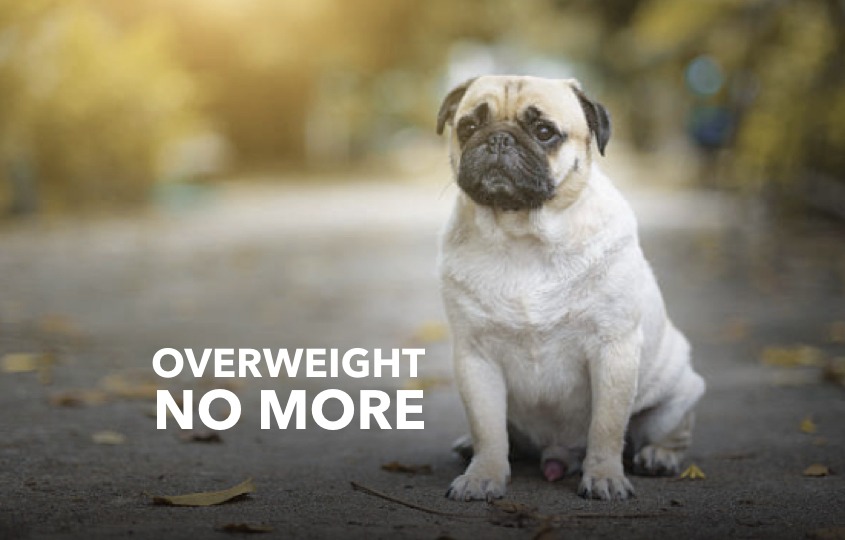
Just like humans, dogs can easily become overweight, leading to a host of health problems. Obesity in dogs can shorten their lifespan and contribute to conditions like arthritis, diabetes, heart disease, and breathing difficulties. Understanding if your dog is overweight and how to safely help them lose weight is crucial for their well-being.
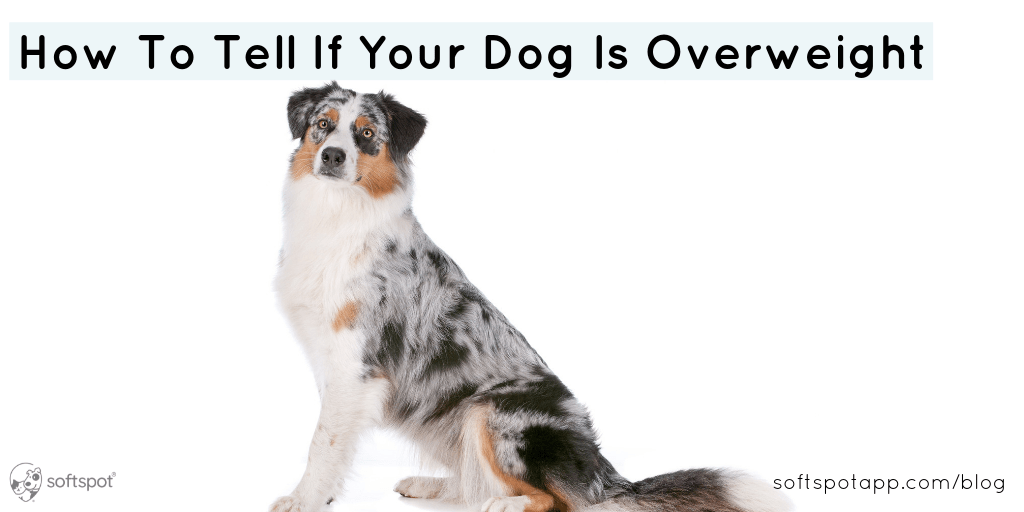
How to Tell if Your Dog is Overweight
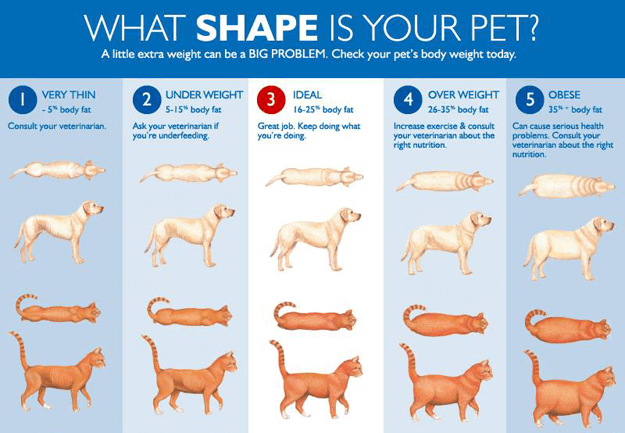
While breed standards provide a general guideline, assessing your dog’s body condition is the best way to determine if they’re carrying extra weight. Here’s what to look for:
- Rib Check: You should be able to easily feel your dog’s ribs without pressing hard. If you have to dig through a layer of fat to feel them, your dog is likely overweight.
- Waistline: Looking at your dog from above, you should see a distinct waistline behind their ribs. If their body forms a straight line from their chest to their hips, they may be overweight.
- Abdominal Tuck: Viewed from the side, your dog’s abdomen should tuck upwards towards their hind legs. A sagging or rounded belly is a sign of excess weight.
- Difficulty Moving: Watch your dog move. Are they slower than usual? Do they struggle to get up or down? Do they tire easily during walks? These can be indicators of being overweight, especially if they were previously more active.
- Veterinarian Confirmation: The most reliable way to determine if your dog is overweight is to consult your veterinarian. They can assess your dog’s body condition score (BCS) and rule out any underlying medical conditions contributing to weight gain.
Tips for Healthy Weight Loss
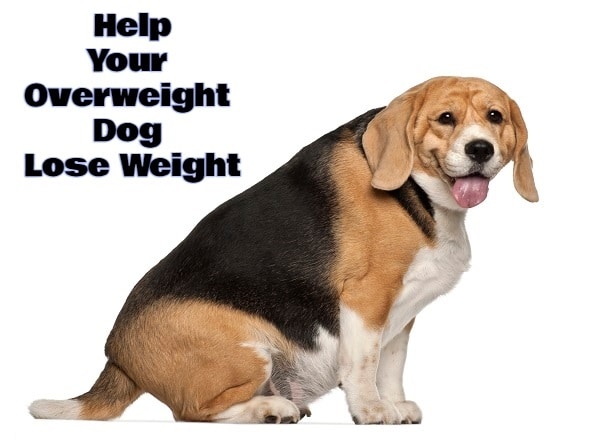
If you’ve determined your dog is overweight, gradual and controlled weight loss is essential. Avoid drastic measures, as they can be harmful. Here are some helpful tips:
- Consult Your Veterinarian: Before starting any weight loss program, talk to your vet. They can help you determine a safe and effective weight loss plan tailored to your dog’s individual needs, considering their age, breed, health, and activity level.
- Measure Food Portions: Use a measuring cup to accurately portion out your dog’s food according to the feeding guidelines on the food packaging. Reducing their current intake by 10-20% is a good starting point, but your vet’s recommendations are paramount.
- Choose the Right Food: Consider switching to a high-quality weight management food specifically formulated for overweight dogs. These foods are often lower in calories and fat, while being higher in fiber to help your dog feel full.
- Increase Exercise: Gradually increase your dog’s physical activity. Start with shorter, more frequent walks and gradually increase the duration and intensity as they get fitter. Incorporate playtime and other activities your dog enjoys.
- Limit Treats: Treats should only make up a small percentage of your dog’s daily calorie intake. Choose healthy treat options like baby carrots, apple slices (without seeds), or green beans. Measure the calories in treats and factor them into their overall daily calorie count. Consider using a portion of their kibble as a training treat.
- Avoid Table Scraps: Resist the urge to feed your dog table scraps, as they are often high in calories, fat, and salt.
- Regular Weigh-Ins: Monitor your dog’s weight regularly (weekly or bi-weekly) to track their progress. Adjust their food intake and exercise as needed based on their weight loss.
Losing weight takes time and consistency. Be patient and celebrate small victories along the way. By working closely with your veterinarian and making sustainable lifestyle changes, you can help your dog achieve a healthy weight and enjoy a longer, happier life.
 1200×800 dog weight loss guide overweight dogs from www.caliraw.com
  992×1459 overweight dog lose weight from topdogtips.com
  750×1795 ultimate weight loss guide dogs fitfurryfriendcom from fitfurryfriend.com
  1024×512 dog overweight softspot from softspotapp.com
  970×300 dog overweight good life dogs from goodlifedogs.com
  3508×2480 healthy dog weight dog obesity karingal vet hospital from www.karingalvet.com.au
  600×440 ways overweight dog lose weight puppies pooches from puppiesandpooches.com
  845×540 simple ways dog lose weight healthy hellodog from hellodog.hk
  768×1152 weight management guidelines overweight dogs from www.thedogdaily.com
  625×433 pet overweight from charlestondogwalker.com
  6446×3200 overweight dog dog weight loss tricks from thepetlabco.com
  1200×835 tips dog healthy weight doglopedix from www.doglopedix.com
  1200×800 overweight dogs easy ways dog lose weight healthier pet promoted from 30seconds.com
Leave a Reply