First Aid for Dogs: Essential Kit and Emergency Tips
Being prepared for emergencies is crucial for every dog owner. Knowing basic first aid can make a significant difference in your dog’s health and well-being before you can reach a veterinarian. Here’s what you need to know to create a dog first aid kit and handle common emergencies.
Essential Components of a Dog First Aid Kit
A well-stocked kit allows you to quickly address minor injuries and stabilize your dog in more serious situations. Here’s a list of must-have items:
- Absorbent Gauze Pads: For cleaning wounds and controlling bleeding.
- Adhesive Tape: To secure bandages. Look for porous, hypoallergenic tape.
- Antiseptic Wipes or Solution (e.g., Chlorhexidine): For cleaning wounds to prevent infection. Avoid alcohol-based solutions, as they can sting.
- Blunt-Ended Scissors: For safely cutting bandages or removing matted fur.
- Clean Towels: For cleaning, drying, and providing warmth.
- Digital Thermometer (Rectal): A dog’s normal temperature is between 101°F and 102.5°F (38.3°C and 39.2°C).
- Dog-Safe Saline Solution: For flushing eyes.
- Hydrogen Peroxide (3%): Can be used to induce vomiting under the guidance of a veterinarian (use with caution and only as directed by a vet).
- Latex or Nitrile Gloves: For hygiene and protection.
- Muzzle (Optional): Even the friendliest dog might bite when in pain. Use cautiously and only if necessary. A rolled-up towel or leash can serve as a makeshift muzzle.
- Pet Carrier or Leash: For safe transport to the vet.
- Pill Pocket Treats or Cream Cheese: To administer medication more easily.
- Sterile Water or Saline: For rinsing wounds or flushing eyes.
- Syringe or Eye Dropper: For administering medication or flushing wounds.
- Veterinarian’s Contact Information (including emergency clinic details): Keep this readily accessible, both in your kit and on your phone.
Emergency Tips: Handling Common Situations
Knowing how to react in an emergency can save your dog’s life. Here are a few common scenarios and basic first aid guidelines:
- Bleeding: Apply direct pressure to the wound with gauze until bleeding stops. If bleeding is profuse or doesn’t stop after several minutes, seek immediate veterinary care.
- Choking: Check the dog’s mouth for obstructions. If you can see it, carefully try to remove it. If you can’t remove the object, perform the Heimlich maneuver (research the proper technique for dogs).
- Heatstroke: Move the dog to a cool place. Apply cool (not cold) water to their body, especially the groin and armpits. Offer small amounts of cool water to drink. Seek immediate veterinary attention.
- Poisoning: Contact your veterinarian or a poison control hotline immediately. Do not induce vomiting unless specifically instructed to do so by a professional. Bring the suspected poison container with you to the vet.
- Seizures: Clear the area around the dog to prevent injury. Do not attempt to restrain the dog. Time the seizure. Contact your veterinarian if the seizure lasts longer than a few minutes or if the dog has multiple seizures in a short period.
- Wounds: Clean the wound with antiseptic solution and apply a bandage. Seek veterinary care for deep or contaminated wounds.
Important Note: This information is for general guidance only and does not replace professional veterinary advice. Always consult with your veterinarian for any health concerns regarding your dog.
 750×808 aid pet safety tips animal emergency center from animalemergencycenter1.com
  700×467 essential items aid kit dogs from topdogtips.com
  2713×2108 emergency foil blanket aid kit supplies shop wurth canada from shop.wurth.ca
  1000×667 include dogs aid kit dogington post from www.dogingtonpost.com
 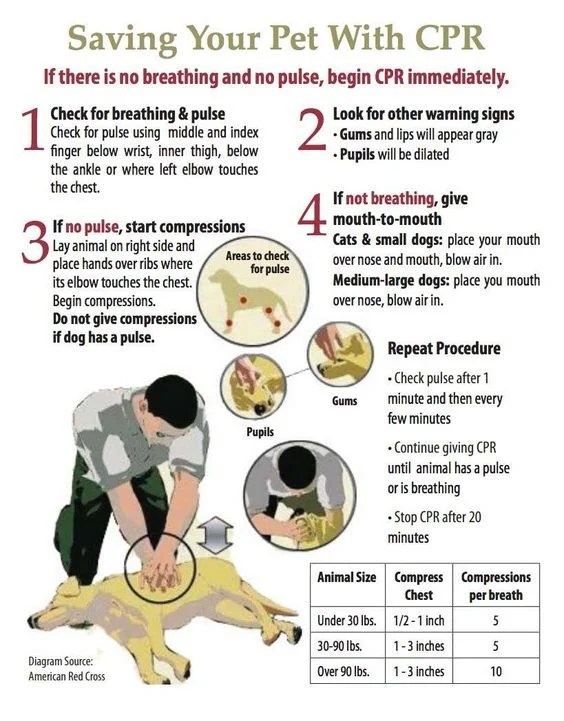 564×721 aid dogs vital dog owner from topdogtips.com
  768×768 aid kit common sense homesteading from commonsensehome.com
  800×1200 dog aid kit aid pets from firstaidforpets.net
  2560×1707 aid dogs essential dog lovers pet businesses from onlinefirstaid.com
  1900×1560 dog aid kit verlotacom from verlota.com
  1000×1356 emergency disaster kit listph from 8list.ph
  1386×924 prepared dog medical emergency dog medical emergency prepared from dogsbestlife.com
  1200×1750 protect pet emergency dogtails from dogtails.dogwatch.com
  1024×871 date earthquake kit increase survival chances infographic san francisco from www.sfpublicpress.org
  683×1024 emergency kit emergency kit visual checklist disaster flickr from www.flickr.com
  1000×1530 aid kit home infographic aid tips aid from www.pinterest.com
  2500×3542 pin lilieth harris illness emergency aid cardiac aid kit aid from www.pinterest.com
  800×1332 flood survival kit survival bag survival survival prepping from www.pinterest.com
Leave a Reply