Recognizing Pain in Dogs: Subtle Signs Your Pet Might Be Hurting
Dogs, bless their hearts, are masters of disguise when it comes to pain. They often instinctively hide discomfort, a survival mechanism from their wild ancestors. This makes it crucial for owners to be observant and understand the subtle cues that indicate your furry friend might be hurting. Recognizing these signs early can lead to quicker diagnosis and treatment, improving your dog’s quality of life.
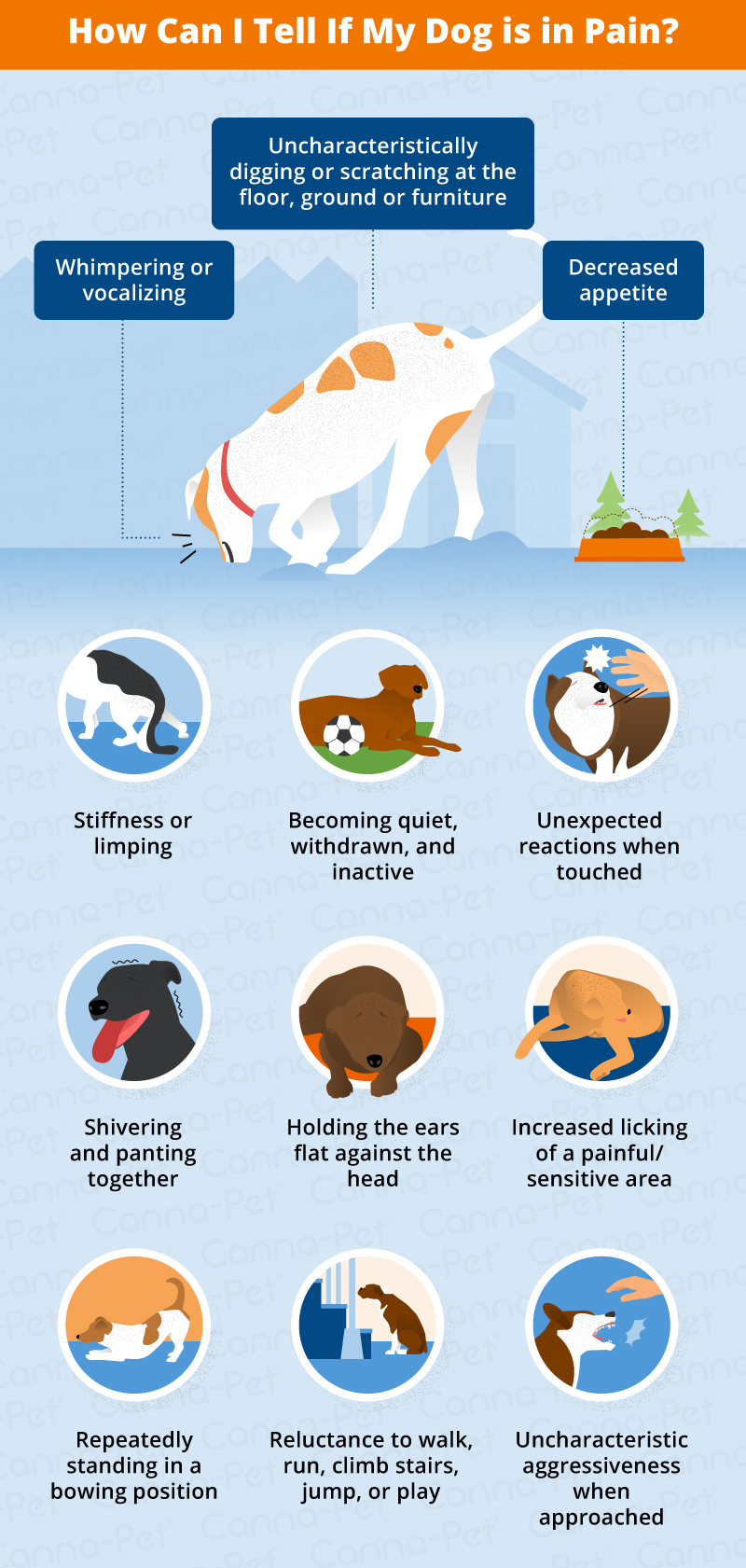
While obvious signs like limping, whimpering, or yelping are clear indicators, pain can manifest in much more subtle ways. Here are some less obvious signs to watch out for:
1. Changes in Behavior
One of the first and most noticeable signs of pain is a change in your dog’s typical behavior. This could include:
- Increased Irritability: A normally friendly dog might become snappy or growl when approached, especially if touched in a specific area.
- Lethargy and Reduced Activity: A reluctance to play, go for walks, or even get out of bed can signal discomfort.
- Hiding: A dog in pain might seek solitude and hide away in quiet corners of the house.
- Loss of Appetite: Pain can decrease a dog’s appetite and interest in food.
- Restlessness: Conversely, some dogs may become restless and unable to settle down, constantly shifting positions in an attempt to find a comfortable spot.
2. Altered Posture and Movement
Pay close attention to how your dog stands and moves. Subtle changes in posture can indicate pain:
- Arched Back: This can indicate abdominal pain or discomfort in the spine.
- Head Hanging: A consistently lowered head can suggest neck pain.
- Stiff Gait: Noticeable stiffness, especially after rest, might indicate arthritis or joint pain.
- Reluctance to Jump or Climb Stairs: Difficulty performing these actions can point to joint pain, particularly in the hips or knees.
- Shifting Weight: Uneven weight distribution on the legs can signal pain in one limb.
3. Changes in Sleeping Habits
Pain can significantly disrupt a dog’s sleep patterns:
- Difficulty Getting Comfortable: Tossing and turning or constantly changing sleeping positions.
- Increased Vocalization at Night: Whining or whimpering during sleep can be a sign of discomfort.
- Changes in Preferred Sleeping Spot: Choosing a different location or surface to sleep on, potentially seeking a cooler or softer spot.
4. Excessive Licking or Grooming
Dogs often lick or groom areas that are causing them pain. This can be a self-soothing mechanism or an attempt to alleviate discomfort. Pay attention to:
- Localized Licking: Focusing on a specific area, such as a paw, leg, or abdomen.
- Chewing at a Specific Area: Especially if the area is swollen or inflamed.
5. Facial Expressions and Vocalizations
Subtle changes in your dog’s facial expression can be revealing:
- Grimacing: A tense or worried expression.
- Dilated Pupils: Enlarged pupils can indicate pain or stress.
- Increased Panting: Panting, especially when not related to exercise or heat, can be a sign of pain.
- Subtle Vocalizations: Grunting, sighing, or low moaning sounds.
If you observe any of these subtle signs, it’s crucial to consult with your veterinarian. Early detection and treatment can significantly improve your dog’s comfort and well-being. Don’t hesitate to seek professional help if you suspect your dog is in pain, even if you’re not entirely sure. Your vigilance and attentiveness are vital to their health and happiness.
 1920×1281 recognizing signs pain pet rau animal hospital from www.rauanimalhospital.com
  800×533 signs pet diabetes from www.ecr.co.za
  1080×675 recognizing pain pet alt pet from www.altpetdoc.com
  1096×600 detecting subtle signs pain dogs emily scott certified canine behavior specialist from www.dogtrainingfresno.com
  600×900 subtle signs mom borderline personality disorder complete makeover blog from completemakeoverblog.com
  1200×628 subtle signs illness dogs blog perfect pup from www.theperfectpupllc.com
  1254×837 pet save life ladycouk from lady.co.uk
  2560×2560 pain dogs cats animal medical center from www.amcny.org
  1728×2304 heat stroke signs pet california casualty from mycalcas.com
  1200×630 dog blog subtle signs fear dogs tail wag from opdogblog.blogspot.com
  423×280 subtle signs pet sick from www.animalbliss.com
  735×1102 subtle signs long distance lover cheating from www.modernlovelongdistance.com
  800×1681 signs pain dogs natural pain remedies canna pet from canna-pet.com
Leave a Reply